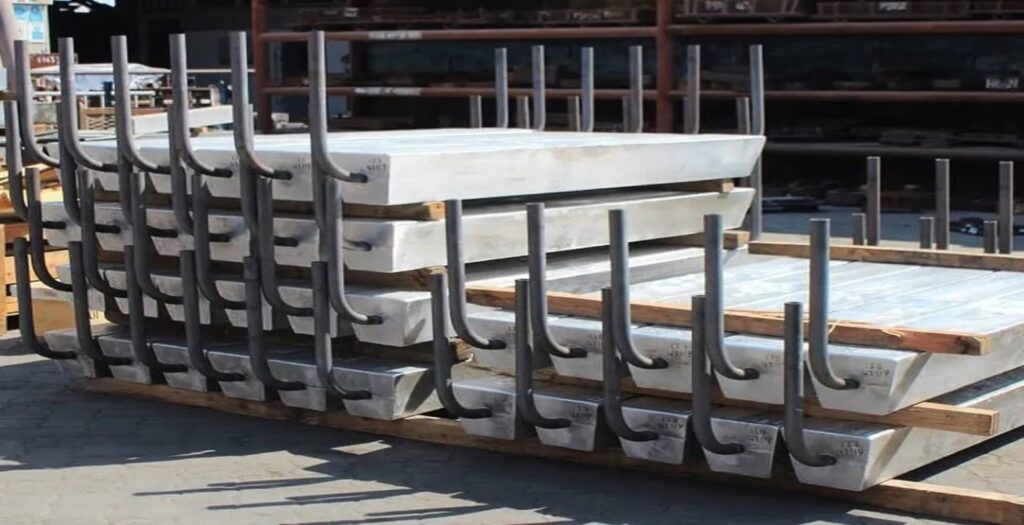

Corrosion protection systems depend on consistent electrical performance, proper material selection, and long-term operational stability. Ineffective design and maintenance of aluminum anode systems result in facilities experiencing avoidable costs. These costs are generally tied to premature depletion, uneven protection coverage, and increased maintenance demands.
Environmental conditions, electrolyte composition, and infrastructure requirements all influence system efficiency over time. Understanding the factors that contribute to cost inefficiencies helps facilities improve cathodic protection performance while reducing unnecessary operational expenses.
1. Incorrect Alloy Selection in Aluminum Anode Applications
Material Behaviour in Low-Temperature Environments
Aluminum anode performance can change significantly in cold soils and low-conductivity environments. Electrochemical activity may decline when freezing temperatures reduce ionic movement within the surrounding electrolyte.
In northern climates, reduced current output can limit cathodic protection efficiency and create inconsistent protection levels across infrastructure systems. These shifts often result in higher operating costs and increased maintenance requirements.
Operational Impact on Infrastructure
Pipeline systems operating in northern regions frequently encounter changing soil conditions and seasonal fluctuations in conductivity. Improper alloy selection may reduce the protective current distribution and increase the risk of localized corrosion.
A reduced electrochemical driving potential can also lead to inefficient system operation at low temperatures. Over time, inconsistent protection may shorten the lifespan of infrastructure and increase repair costs.
2. Ignoring Galvanic Series Shifts in Aluminum Anode Systems
Electrochemical Compatibility Factors
Galvanic corrosion occurs when dissimilar metals interact within conductive environments. Temperature changes, electrolyte composition, and salinity levels can influence how aluminum anodes behave alongside other materials.
Variations in electrochemical compatibility may alter current distribution and reduce the consistency of cathodic protection. These shifts can increase system instability across industrial infrastructure applications.
System-Level Impact
Marine infrastructure, buried pipelines, and industrial facilities often operate in environments where conductivity levels fluctuate. Changes in electrolyte conditions may affect current flow between protected structures and aluminum anodes.
Uneven current distribution can create underprotected areas while accelerating anode consumption elsewhere within the system. These imbalances frequently increase maintenance and replacement costs.
3. Overlooking Environmental Compliance Costs
Regulatory Considerations
Environmental regulations affecting cathodic protection materials continue to evolve across industrial sectors. Disposal requirements, testing standards, and environmental reporting obligations may influence how aluminum anodes are managed throughout their operational lifecycle.
Facilities that fail to account for these requirements often encounter additional administrative and operational costs. Compliance expectations have become increasingly important within industrial maintenance programs.
Operational Impact
Industrial testing schedules and maintenance procedures may require documented environmental handling practices for cathodic protection materials. Inadequate compliance planning can lead to delayed maintenance activities, increased inspection requirements, and higher operational expenses. Facilities operating across regulated industries frequently prioritize proactive compliance strategies to reduce long-term risks.
4. Improper Sizing in High-Resistivity Environments
Surface Area and Current Distribution
Anode size directly affects current output and protection coverage within cathodic protection systems. Undersized aluminum treater anodes may struggle to distribute sufficient protective current across high-resistivity environments.
Limited surface area can reduce current efficiency and create uneven protection zones within industrial systems. Proper sizing supports more balanced material utilization and improved electrical performance.
Operational Impact
Oil and gas separation vessels, buried infrastructure, and industrial process systems often operate under varying resistivity conditions. Inadequate anode sizing may lead to inefficient current flow and incomplete corrosion protection.
These conditions can accelerate infrastructure degradation and increase long-term operational costs. Facilities may also experience shorter replacement intervals when systems are not properly sized.
5. Lack of Monitoring for Aluminum Anode Consumption
Electrochemical Consumption Patterns
Aluminum anodes gradually deplete as galvanic current flows through the cathodic protection system. Consumption rates can accelerate in high-demand environments where structures require increased protective current.
Variations in electrolyte conductivity, temperature, and operational conditions also influence depletion behaviour. Without active monitoring, facilities may overlook accelerated consumption patterns until protection levels decline.
Operational Impact
Unmonitored degradation increases the risk of reduced corrosion protection and infrastructure damage. Declining anode performance can affect structural reliability, increase maintenance frequency, and contribute to unexpected operational disruptions. Facilities managing large-scale infrastructure systems often require scheduled inspection programs to maintain consistent protection performance.
Supporting Cost-Efficient Aluminum Anode Systems
Facilities often overspend on cathodic protection systems due to incorrect alloy selection, improper sizing, inconsistent monitoring, and inadequate environmental planning. These factors can reduce protection efficiency, accelerate material depletion, and increase maintenance requirements across industrial infrastructure systems. Improving electrochemical compatibility analysis, monitoring consumption patterns, and optimizing anode sizing help support better material utilization and long-term operational stability.
Effective cathodic protection performance depends on system-level planning rather than isolated material decisions. Businesses requiring consistent material performance must use anode aluminum solutions aligned with cathodic protection system requirements.