
Roofing plays a critical role in protecting a building from the elements while also contributing to its overall appearance. Among the many materials used in roofing systems, lead flashing continues to stand out for its reliability and performance. Known for its durability, adaptability, and long-term value, lead flashing supports both functional and aesthetic roofing needs.
Below are five key benefits that explain why lead flashing remains a widely used material in roofing applications.
1. Exceptional Durability for Long-Term Protection
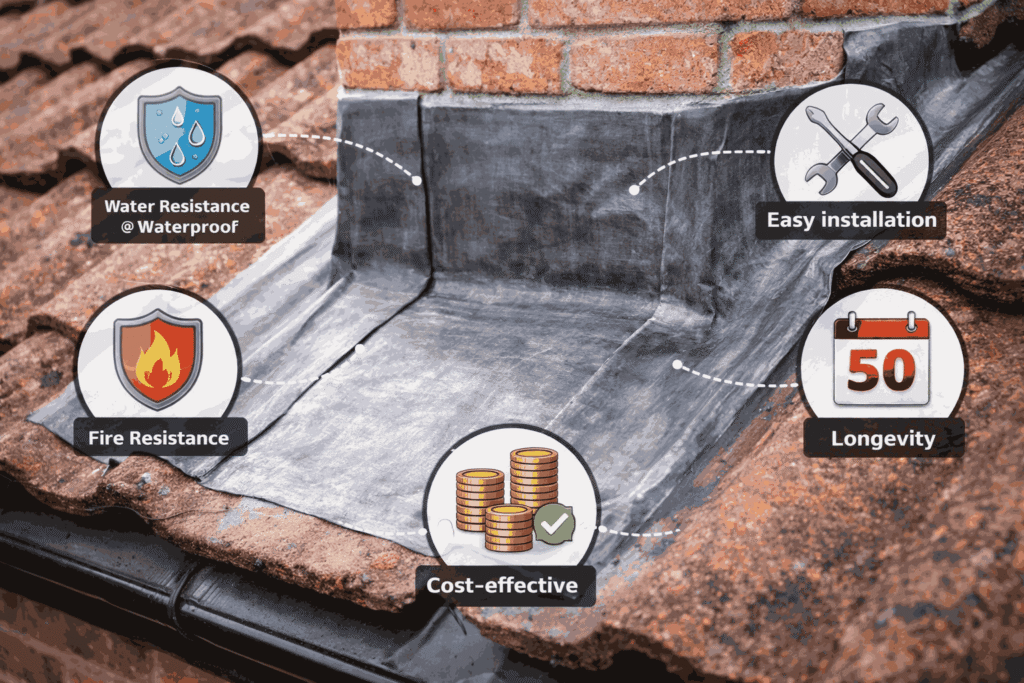
One of the most significant advantages of lead flashing is its durability. Unlike many alternative materials, lead resists cracking, corrosion, and fatigue. It performs consistently in extreme conditions, including high heat, freezing temperatures, and prolonged exposure to moisture.
This resilience allows lead flashing to last for decades without requiring frequent repairs or replacement. As a result, it supports the long-term integrity of the roof and reduces maintenance requirements. This makes it a practical and cost-effective choice throughout the building’s life.
2. Reliable Weatherproofing Against Moisture Intrusion
Effective weatherproofing is essential for preventing leaks and structural damage. Lead flashing creates a strong, watertight seal around roof joints, chimneys, vents, and other vulnerable areas.
In climates that experience rain, snow, and ice, lead flashing provides consistent protection against moisture penetration. Its density and resistance to water movement help prevent leaks that can lead to insulation damage, mould growth, and interior deterioration.
3. Environmentally Responsible and Recyclable Material
Lead flashing is also valued for its environmental benefits. It is fully recyclable and can be reused multiple times without losing performance characteristics. This reduces the demand for new raw materials and minimizes construction waste.
Choosing recyclable roofing components supports more sustainable building practices. When installed correctly and maintained appropriately, lead flashing offers a long service life while aligning with environmental responsibility goals.
4. High Flexibility for Complex Roof Designs
Lead is naturally malleable, allowing it to be shaped and formed with precision. This flexibility makes it particularly effective for roofs with complex details, irregular angles, or intricate architectural features.
Because it can conform closely to roof contours, lead flashing helps ensure proper sealing in areas where rigid materials may fail. Its ease of shaping also simplifies installation and supports accurate fitting in both new construction and renovation projects.
5. Timeless Appearance That Complements Architecture
Beyond performance, lead flashing enhances a roof’s visual appeal. Its subtle, classic finish blends well with a wide range of roofing materials and architectural styles, from traditional to contemporary designs.
As it ages, lead develops a natural patina that many property owners find visually appealing. This understated appearance enhances the roof’s overall look without drawing unnecessary attention.
Why Lead Flashing Continues to Be a Practical Roofing Choice
Lead flashing offers a balanced combination of durability, weather resistance, adaptability, and aesthetic value. Its ability to withstand harsh conditions, provide long-term protection, and support sustainable construction practices makes it a reliable option for many roofing systems.
For property owners and builders seeking a roofing component that delivers consistent performance over time, lead flashing remains a practical and proven solution.