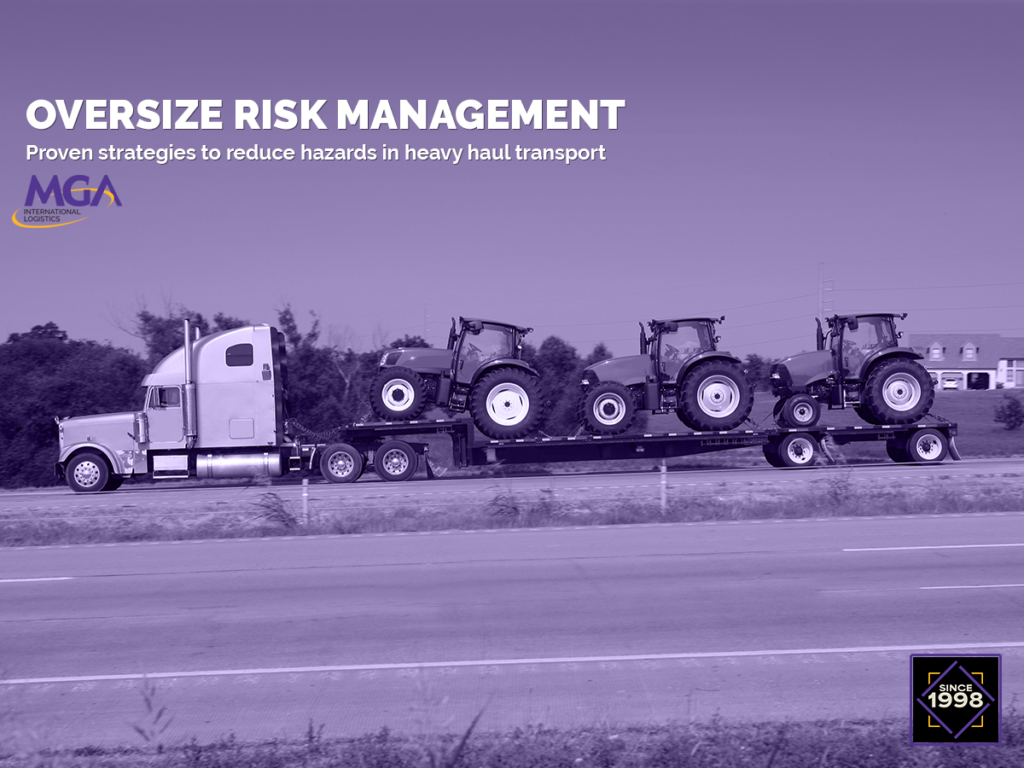

Moving oversized freight across North America comes with inherent challenges. From regulatory compliance to equipment failure, the stakes are high when transporting heavy machinery and industrial cargo. Effective risk management isn’t optional—it’s essential for protecting your assets and ensuring on-time delivery.
Heavy haul trucking companies face unique obstacles that standard carriers never encounter. Oversize loads require specialized planning, equipment, and expertise. Understanding how to mitigate these risks can mean the difference between a successful shipment and a costly disaster.
What Are the Primary Risks in Heavy Haul Transportation?
Transporting oversized and overweight freight introduces multiple risk factors. Route restrictions present the first challenge. Not all roads accommodate loads exceeding 80,000 pounds or dimensions greater than standard limits. Bridges and tunnels may have clearance restrictions that require extensive route planning.
Weather conditions amplify risk significantly. High winds can destabilize tall loads. Ice and snow reduce traction and visibility. Heavy machinery transport companies must monitor forecasts constantly and adjust schedules accordingly.
Equipment failure poses another critical risk. Specialized trailers undergo tremendous stress during transport. Regular maintenance and pre-trip inspections are non-negotiable. A single mechanical failure can result in road closures and substantial delays.
How Can Proper Route Planning Reduce Transportation Hazards?
Strategic route planning is the foundation of safe heavy haul transport. Heavy equipment transportation services begin every project with detailed route surveys. This process identifies potential obstacles before the truck leaves the yard.
Digital mapping technology has revolutionized route planning. Advanced software analyzes bridge ratings, road widths, and overhead clearances. Real-time traffic data allows carriers to avoid congestion and construction zones.
Pilot car coordination enhances safety during transport. Lead vehicles scout ahead for unexpected obstacles. Professional pilot car operators communicate constantly with drivers, providing real-time guidance through challenging sections.
Why Is Load Securement Critical to Risk Management?
Proper cargo securement prevents catastrophic failures during transport. Unsecured loads shift during transit, damaging cargo and creating hazards. Heavy equipment hauling services employ certified riggers who understand load dynamics and securement regulations.
Key securement considerations include:
- Weight distribution prevents trailer sway and maintains steering control
- Tie-down ratings must exceed minimum working load limits
- Contact points secure equipment at designated lift points
- Environmental factors account for vibration and wind resistance
Regular securement checks during transport are mandatory. Drivers inspect tie-downs at every stop. Vibration can loosen properly installed systems. Proactive monitoring prevents small issues from becoming major incidents.
How Do Permits and Regulatory Compliance Reduce Legal Risks?
Permit management is essential for legal heavy haul operations. Each jurisdiction has unique requirements for oversize loads. Understanding these variations prevents costly compliance failures.
Heavy haul trucking companies maintain relationships with permitting authorities across North America. These connections expedite approvals and resolve issues quickly. Experienced coordinators know enforcement patterns and guide route selection decisions.
Travel time restrictions add another compliance layer. Many jurisdictions prohibit oversize load movement during peak traffic hours. Building these constraints into schedules ensures legal compliance and community respect.
Partner With North America’s Trusted Heavy Haul Specialists
Risk management in heavy haul transportation requires expertise and long-term commitment. A strong safety-first approach helps ensure reliable oversize transport while protecting both cargo integrity and delivery timelines.
Leading heavy haul trucking operations combine advanced planning with proven operational experience. Every stage is carefully managed, from permit coordination to final delivery. Specialized equipment, trained professionals, and strict maintenance practices play a critical role in reducing operational risks.
Effective risk management minimizes delays, prevents costly incidents, and supports consistent on-time performance. When executed properly, it delivers dependable outcomes for complex and oversized freight movements.