
Many Canadian homes built between the 1960s and 1970s still rely on aluminum wiring. While aluminum was once accepted as a practical alternative to copper, its long-term performance has raised safety and compliance concerns. As homes age and electrical demand increases, issues related to connections, heat buildup, and insurance acceptance become more visible. Understanding what actually goes into replacing aluminum wiring helps homeowners make informed decisions rather than reacting to inspection or insurance pressure.
1. The Hidden Risks of Aging Aluminum Wiring
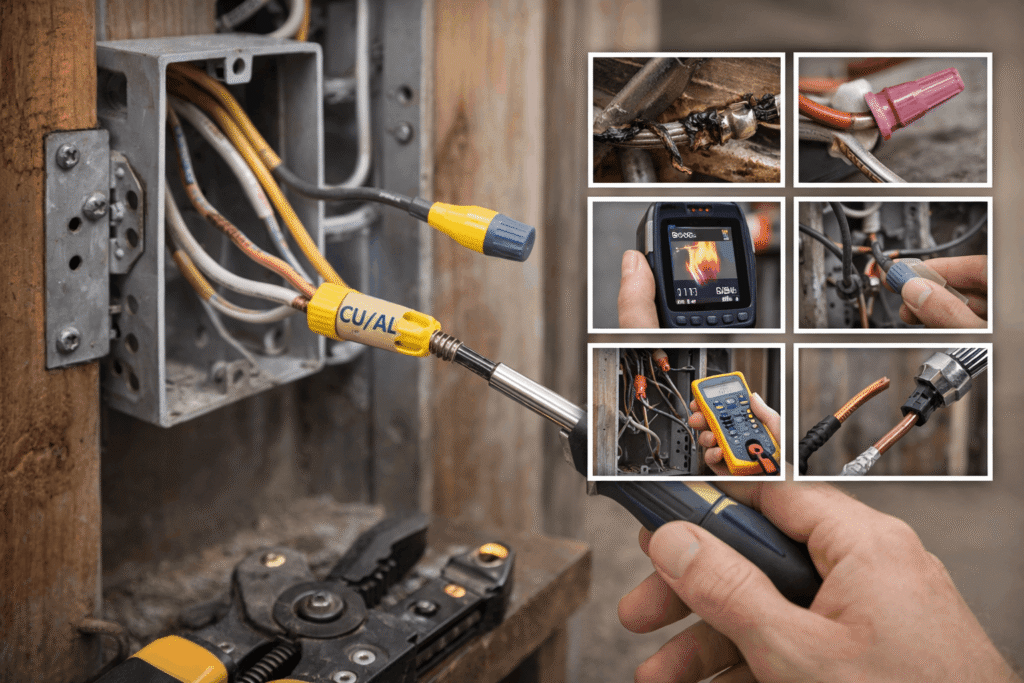
Aluminum wiring behaves differently from copper over time. It expands and contracts more, which can loosen connections at outlets, switches, and panels. These loose connections increase resistance, leading to heat buildup and potential fire risk.
Unlike visible damage, many aluminum wiring issues develop silently behind walls. That’s why problems are often discovered during inspections, renovations, or insurance reviews rather than day-to-day use.
2. When Replacement Is Better Than Repair
In some situations, aluminum wiring repair may be appropriate, such as installing approved connectors at termination points. However, repairs are not always the best long-term solution. Full aluminum wire replacement is often recommended when:
- Wiring shows signs of overheating or corrosion
- Past repairs do not meet current code standards
- Multiple circuits are affected
- Renovations require new wiring routes
Licensed electricians evaluate whether repairs can safely extend the system’s life or if full replacement offers a more reliable outcome.
3. Permits and Safety Inspections Are Mandatory
Replacing aluminum wiring is not a cosmetic upgrade—it’s regulated electrical work. In Ontario, permits must be filed with the Electrical Safety Authority (ESA), and inspections are required once upon completion of work. Contractors handle:
- Permit submission
- Code-compliant installation
- Inspection scheduling
- Documentation confirming approval
This process ensures that aluminum wiring replacement complies with current safety standards and is properly documented for future reference.
4. Insurance Requirements Often Drive Replacement Decisions
Many insurance providers place conditions on homes with aluminum wiring. These may include:
- Requests for professional evaluation
- Mandatory upgrades or replacement
- Limited coverage options
Insurers often require proof that wiring has been corrected using approved methods. Completing licensed aluminum wire replacement can help restore full coverage eligibility and reduce complications during policy renewal.
5. Full Replacement vs Partial Replacement Is Not the Same
Homeowners are sometimes surprised to learn that partial upgrades may not resolve all concerns. Replacing only accessible sections while leaving aluminum wiring in walls can still raise inspection or insurance issues.
Full replacement typically involves:
- Removing aluminum branch circuits
- Installing modern copper wiring
- Upgrading terminations and breakers as needed
While the scope varies by home layout, full aluminum wiring replacement often provides greater compliance and long-term reliability than partial solutions.
6. Safe, Code-Compliant Materials Matter
Modern replacements use CSA-approved copper wiring, connectors, and devices designed for current electrical loads. Licensed electricians ensure:
- Proper conductor sizing
- Secure terminations
- Correct grounding and bonding
- Compatibility with existing panels
Using approved materials is essential for safety, inspection approval, and long-term system performance.
Long-Term Peace of Mind Through Expert Replacement
Aluminum wiring issues rarely improve on their own. Whether prompted by inspections, insurance requirements, or renovation plans, addressing the system proactively reduces risk and uncertainty. Understanding the difference between repair and full replacement allows homeowners to choose solutions that align with safety and compliance goals.
For a licensed assessment and professional aluminum wiring replacement, contact Canadian Wire Wizards to discuss a code-compliant path forward.