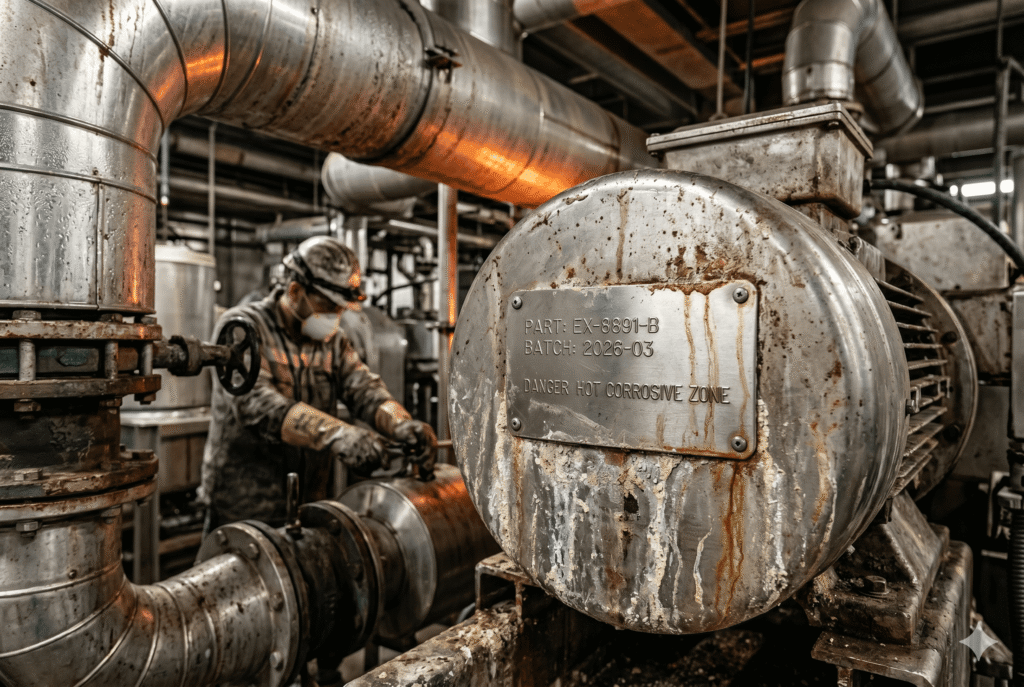

Industrial environments demand identification solutions that can withstand constant exposure to stress, heat, and mechanical impact. Stamped metal tags have become a dependable option in such conditions due to their ability to retain structural integrity and legibility over extended periods. Unlike surface-printed alternatives, these tags offer deeply marked information that remains intact even under continuous operational strain.
Across sectors such as manufacturing, energy, and transportation, reliable tagging supports compliance, asset tracking, and safety protocols. Businesses often require solutions that perform consistently without frequent replacement. This is where metal tagging solutions stand out, offering durability and performance aligned with industrial expectations.
1. High Resistance to Extreme Temperatures
Stamped metal tags are well-suited for environments exposed to high or fluctuating temperatures. Whether installed on machinery operating under heat or used in cold storage facilities, these tags maintain structural stability. Materials such as stainless steel and aluminum do not warp or degrade easily, ensuring that identification remains intact despite thermal stress.
2. Superior Durability Against Wear and Abrasion
Industrial equipment is often subject to friction, vibration, and physical contact. Stamped tags are designed to endure such conditions without losing their markings. The engraved impressions resist wear caused by repeated handling, cleaning, or movement, making them ideal for heavy-duty applications.
3. Resistance to Chemicals and Corrosive Environments
Exposure to oils, solvents, acids, and other chemicals is common in industrial settings. Stamped metal tags offer strong corrosion resistance when manufactured with appropriate materials and finishes. This ensures that identification data remains unaffected even in chemically aggressive environments, reducing the risk of misidentification or compliance issues.
4. Long-Term Readability Without Fading or Peeling
One of the key advantages of stamped tags is their ability to remain legible over time. Since the information is physically imprinted into the metal surface, there is no reliance on inks or coatings that may fade or peel. This makes them a reliable solution for long-term asset identification and regulatory labeling.
5. Strong Performance in Outdoor and Weather-Exposed Conditions
Outdoor installations introduce challenges such as moisture, UV exposure, and temperature fluctuations. Stamped metal tags perform consistently under these conditions, maintaining readability and structural integrity. Their resistance to environmental elements makes them suitable for pipelines, construction equipment, and utility infrastructure.
6. Low Maintenance and Long Lifecycle Value
Durability directly reduces maintenance requirements. Stamped tags do not require frequent replacement or upkeep, which lowers operational costs over time. Businesses that invest in durable labeling solutions benefit from improved efficiency and reduced downtime associated with damaged or unreadable tags.
Additionally, personalized metal tags can be tailored to specific operational needs, ensuring that each application receives a solution aligned with its environment and usage requirements.
A Reliable Choice for Demanding Industrial Environments
Stamped metal tags offer a combination of durability, resistance, and long-term performance that aligns with the needs of demanding industrial operations. Their ability to withstand harsh conditions while maintaining clear identification makes them a practical solution for asset management and compliance.
Custom stamped metal tags designed with precision and material expertise provide lasting value across industries. Identifab Industries Limited delivers dependable tagging solutions tailored to industrial requirements. Connect with Identifab Industries Limited to implement durable identification systems built for challenging environments.