
Printed Circuit Boards (PCBs) form the backbone of modern vehicles. They power advanced driver-assistance systems (ADAS), infotainment platforms, powertrain controls, and electric vehicle (EV) battery management systems. Unlike consumer electronics, automotive printed circuit board assembly must meet far higher standards for safety, reliability, and durability.
Even minor PCB defects can trigger recalls, safety failures, or costly compliance penalties. Manufacturers in the U.S. must also navigate strict standards such as ISO 26262, IPC-A-610, and AEC-Q100—while managing increasing design complexity and ongoing supply chain disruptions.
This listicle outlines the five most common roadblocks in automotive PCB assembly and the proven strategies to overcome them, helping manufacturers deliver safer, more reliable automotive electronics.
Why Automotive PCB Assembly Is More Complex Than Other Electronics
Automotive PCBs operate in environments that demand long-term reliability under stress. Assemblies must withstand extreme heat, vibration, humidity, and continuous mechanical load over years of operation.
With the rapid growth of EVs and autonomous vehicles, manufacturers must also balance:
- Strict compliance with ISO, IPC, and AEC standards
- Reliability in safety-critical systems, such as braking and powertrain controls
- Rapid innovation in EV power electronics and autonomous technologies
As a result, automotive PCB assembly requires both manufacturing precision and engineering foresight.
1. Thermal Management Challenges in High-Power PCBs
High-power automotive PCBs—especially those used in EVs—generate significant heat. Inadequate thermal management can shorten component life and increase the risk of system failure.
Why it’s a problem:
Excess heat degrades solder joints, stresses components, and reduces long-term reliability.
Proven ways to resolve it:
- Use aluminum or ceramic substrates for improved heat dissipation.
- Incorporate thermal vias, heat sinks, and copper pours.
- Run thermal simulations early in the design phase.
2. Miniaturization and High-Density PCB Designs
ADAS and infotainment systems demand compact assemblies with high circuit density. This increases the likelihood of solder bridging, misalignment, and short circuits.
Why it’s a problem:
Smaller footprints leave little margin for error during assembly and inspection.
Proven ways to resolve it:
- Adopt HDI PCB assembly techniques.
- Use advanced Surface Mount Technology (SMT) processes.
- Apply Design for Manufacturability (DFM) principles early.
3. Reliability Under Harsh Automotive Conditions
Automotive PCBs are exposed to vibration, thermal cycling, and moisture. These conditions can lead to solder cracks, delamination, or component failure—particularly in sensors and control modules.
Why it’s a problem:
Field failures can compromise safety and trigger recalls.
Proven ways to resolve it:
- Apply conformal coatings for environmental protection.
- Conduct HALT and HASS testing.
- Select rugged PCB materials designed for automotive environments.
4. Supply Chain Shortages and Component Availability
Ongoing semiconductor and raw material shortages continue to slow automotive PCB assembly across the USA.
Why it’s a problem:
Delays in component sourcing disrupt production schedules and increase costs.
Proven ways to resolve it:
- Partner with reliable U.S.-based PCB suppliers
- Diversify sourcing strategies to reduce dependency.
- Use forecasting and inventory planning tools.
5. Compliance With Automotive Standards
Automotive PCB assemblies must comply with standards such as ISO 26262, IPC-A-610, AEC-Q100, and UL certification. Non-compliance can result in rejected assemblies, recalls, or regulatory penalties.
Why it’s a problem:
Compliance failures often surface late, increasing cost and risk.
Proven ways to resolve it:
- Schedule regular compliance audits.
- Standardize assembly and documentation processes.
- Work with experienced validation partners for independent testing and verification
Key Strategies to Overcome Automotive PCB Assembly Challenges
While each roadblock presents unique risks, several best practices consistently improve outcomes:
- Design for Manufacturability (DFM): Early collaboration between design and assembly teams reduces errors and improves yield
- Advanced Testing and Inspection: AOI, X-ray inspection, and in-circuit testing catch defects before production
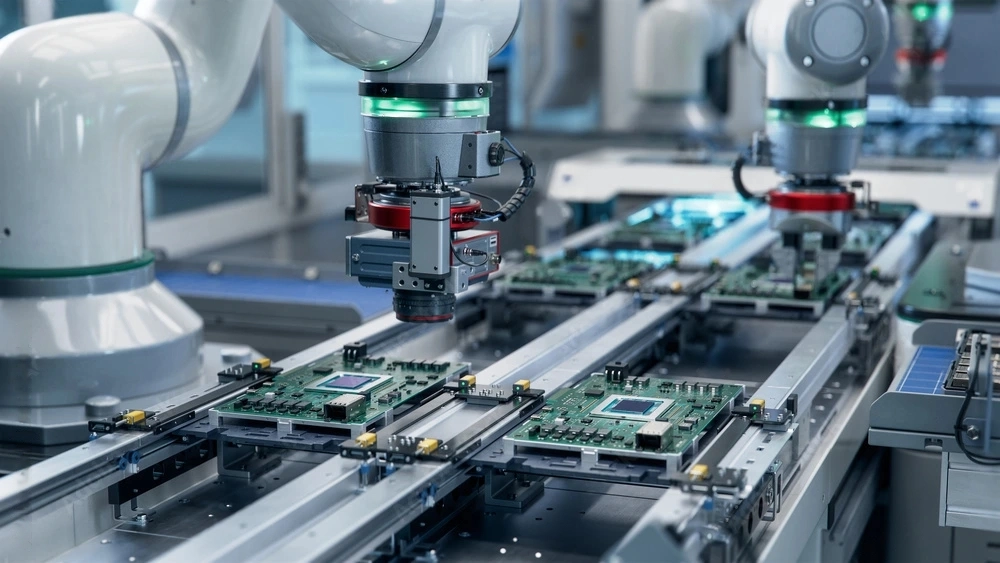
- Automation and AI in Assembly: Robotic soldering and AI-driven inspection increase consistency and reduce human error
- Experienced Manufacturing Partnerships: Working with proven automotive PCB assembly specialists supports compliance, reliability, and safety validation
By proactively addressing these five roadblocks, automotive manufacturers can reduce risk, improve product reliability, and meet the growing demands of EV and autonomous vehicle technologies, without compromising safety or compliance.