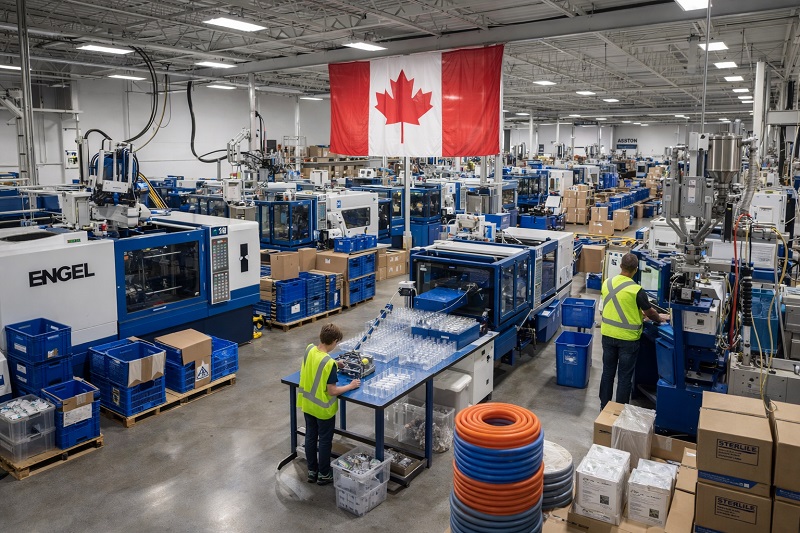

Many businesses sourcing acrylic plaques in Canada assume that plastic fabrication is limited to high-volume orders using standard materials. This often leads to longer lead times, missed opportunities, or materials that fall short of performance needs. These challenges matter. In recognition, branding, and long-term display, clarity, finish, and durability directly influence perception. Plastic manufacturing companies in Ontario help address these issues by leveraging underutilized fabrication capabilities.
The following insights highlight what many organizations do not realize when working with plastic manufacturing companies in Ontario. This is especially true for acrylic fabrication and plaque applications.
Insight 1: Many Manufacturers Support Low-Volume and Short-Run Production
Many Ontario-based fabricators offer low-volume, short-run fabrication without compromising consistency or finish.
This capability is especially valuable for acrylic plaques, where orders may involve:
- Limited quantities for awards or milestones
- Custom dimensions or thicknesses
- One-off recognition programs or pilot initiatives
Short-run support allows businesses to maintain quality standards without overcommitting to inventory. It also supports iterative design adjustments when specifications change. This flexibility helps organizations manage cost, reduce waste, and maintain control over the final presentation.
Insight 2: Material Expertise Often Extends Beyond Common Plastics
While acrylic is widely used for plaques, material selection involves more nuance than many expect. Plastic manufacturing companies in Ontario often work with different acrylic formulations and related plastics, each offering different performance characteristics.
Material considerations frequently include:
- Optical clarity and light transmission
- Scratch resistance and surface hardness
- UV stability for long-term display
- Thickness tolerance and edge finish
Beyond acrylic, manufacturers may also assess polycarbonate, PETG, or specialty plastics when impact resistance or environmental exposure is a concern. This material knowledge helps align visual requirements with functional longevity.
Insight 3: Manufacturing Capabilities are Often Vertically Integrated
Many plastic manufacturing companies in Ontario operate with vertically integrated capabilities. This means material supply, cutting, machining, polishing, and finishing are handled within a single operation.
For acrylic plaque fabrication, vertical integration supports:
- Tighter dimensional control
- Consistent surface finishes across batches
- Reduced handling and transfer risk
- More predictable lead times
This structure also improves communication between production stages. When adjustments are required, feedback loops remain short, helping maintain quality without unnecessary delays.
Insight 4: Compliance and Quality Standards Play a Larger Role Than Expected
Plastic fabrication is governed by more than visual standards. Many plastic manufacturers in Ontario operate under formal quality systems that guide material handling, machining processes, and inspection protocols.
Quality-driven operations typically emphasize:
- Repeatable cutting and machining tolerances
- Controlled polishing and finishing procedures
- Documented inspection checkpoints
- Traceability of materials used
These practices are particularly relevant for acrylic plaques with applications in corporate, institutional, or public environments. Consistency across multiple orders reinforces brand credibility and presentation standards over time.
Insight 5: Collaboration is Often Embedded in the Manufacturing Process
Plastic manufacturing companies frequently collaborate with customers throughout the fabrication process rather than simply executing predefined instructions.
This collaboration may include:
- Reviewing design feasibility before production
- Suggesting material or thickness adjustments
- Aligning finishes with display environments
- Supporting revisions without restarting production
For acrylic plaques, this approach helps balance aesthetics, durability, and cost. Collaborative manufacturing reduces rework and supports better outcomes for both short-term and recurring projects
Why These Insights Matter for Acrylic Plaque Sourcing in Canada
Acrylic plaques represent more than a finished product. They reflect brand values, recognition standards, and long-term presentation quality. Understanding how plastic fabrication companies operate helps businesses make more informed sourcing decisions.
Capabilities such as short-run flexibility, advanced material knowledge, integrated fabrication, structured quality processes, and collaborative workflows directly influence outcomes. These factors often determine whether a plaque maintains clarity, finish, and structural integrity over time.
Organizations seeking consistent results benefit from partners who understand material performance, fabrication precision, and project-specific requirements.